The era of "creepy" tracking is ending. Between iOS App Tracking Transparency (which cost Meta $10 billion in 2022 alone), GDPR consent requirements that leave 50-70% of EU traffic untracked, and Safari and Firefox's complete blocking of third-party cookies, the digital trail we used to follow from "Click to Cart" has gone cold.
But here's the secret: You don't need to follow a user around the internet to know they bought your product because of a specific post. You just need to understand the Pulse.
Welcome to Timestamp Correlation—a privacy-first approach to attribution that uses aggregate data analysis instead of broken pixels.
The Problem: The Pixel is Blind
Most marketers are still trying to use 2018 tech in 2026. They wait for a pixel to tell them that "User A" clicked a link. But users today rarely click links—social media click-through rates have dropped to just 0.66% (Statista Q2 2024), and up to 95% of purchases are tied to view-through conversions where users saw content but never clicked.
When that happens, the pixel sees nothing. A SparkToro experiment found that 100% of traffic from TikTok, Slack, Discord, and WhatsApp was misattributed as "Direct" in Google Analytics. A Groupon test revealed 60% of their "direct" traffic was actually organic search. Industry research shows that approximately 30% of all traffic labelled "direct" actually originates from other marketing channels.
Your marketing is working. Your tracking just can't see it.
The Education: The Science of the "Response Window"
In physics, every action has a reaction. In marketing, every viral post has a Response Window.
When an influencer posts or an organic video hits the "For You" page, there is a measurable surge in human behaviour. Research shows this follows a predictable pattern:
Minutes 0-60: The "Discovery Spike."
Amazon Marketing Cloud data shows athat pproximately 50% of conversions occur within the first hour, with 24.9% happening within just 1-10 minutes. High-intent users immediately search for the brand.
Hours 1-24: The "Consideration Wave."
Users finish their current task (commuting, working, scrolling) and move to checkout. Conversion rates remain elevated during this period.
Days 1-7+: The "Long Tail."
Unlike a simple 4-hour window, research shows athat pproximately 20% of conversions happen more than 7 days after ad exposure. This is why Meta offers 7-day click attribution windows and Google Ads extends up to 90 days. High-ticket items like jewellery B2B products can take weeks.
By focusing on what happens globally to your store during these windows, you don't need to know who the individual was. The aggregate data tells the story.
The Math: Calculating "Incremental Lift"
To prove a post worked, we use a calculation called Incremental Lift. This is how you separate your "normal" sales from the sales caused by your marketing.
The Formula:
For absolute incremental revenue:
Incremental Revenue = Actual Sales (Window) − Baseline Sales (Expected)
How to apply this:
Establish the Baseline:
What do you usually sell on a Tuesday at 3:00 PM? This is your expected performance.
Identify the Spike:
How much did you sell in the hours and days following the post?
The Reveal:
The difference indicates your potentially attributable revenue.
If your baseline is $500/hour and you suddenly hit $2,500/hour after a post, that $2,000 increase is a signal worth investigating.
Important caveat: Simple before-and-after comparisons have limitations. Marketing scientists note that this approach doesn't account for confounding factors, other things that might have caused the spike. The gold standard for proving causation is running controlled incrementally tests with holdout groups. However, timestamp analysis provides a practical starting point for identifying which content correlates with revenue movements.
The Strategy: Mapping the Sales Pulse
So, how do you actually do this? You move from "Tracking People" to "Mapping Events."
Export Your Sales Data:
Pull your raw Shopify sales data. Not the summary, the raw list with exact timestamps.
Overlay the Marketing Timeline:
Drop in the timestamps of your social posts, email sends, and influencer go-lives.
Look for the Correlation:
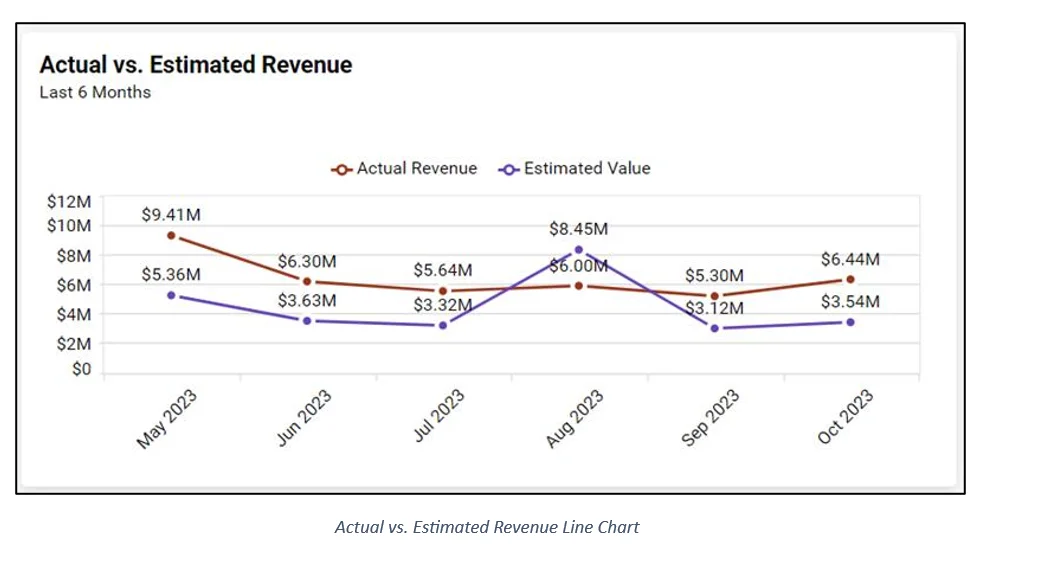
When a post timestamp aligns with a spike in your sales data, you've found a signal worth investigating.
This is exactly how the Ghost Revenue Lab in Influmetrix works. It stops guessing who clicked what and starts identifying correlations between your marketing activity and revenue movements revealing the "dark social" conversions that traditional pixels miss entirely.
The 2026 Reality
Third-party cookies aren't completely dead, Chrome (67% market share) reversed course in 2024 and kept them enabled. But Safari and Firefox have blocked them entirely, iOS ATT has gutted mobile attribution, and 84% of social shares happen through "dark social" channels that resist tracking.
The marketers winning in 2026 are combining multiple approaches: Marketing Mix Modeling (46.9% of marketers are increasing investment), incrementally testing (52% already using), and aggregate timestamp analysis to find the revenue their competitors are leaving on the table.
Stop following users. Start following the pulse.